Global Economic Crisis Warning
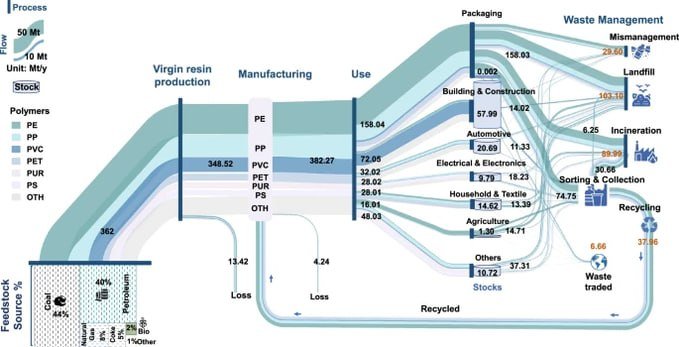
A warning from Lukas Ekwueme highlights a potential global economic crisis due to significant losses in key commodities: ~30% in fertilizers, ~20% in LNG, ~14% in oil, and ~30% in helium. These losses threaten entire production chains across food, industry, technology, transportation, and power. The situation is exacerbated by disrupted supply flows from the Strait of Hormuz, leading to a systemic shock that could trigger a serious recession. No policy can replace the missing physical supply.
Coverage
- First reported: @CIG_telegram
- Most detailed: @CIG_telegram
- Total sources: 1
- Created: 2026-04-09 19:09:43 CEST
- Updated: 2026-04-09 19:09:56 CEST
Timeline
- @CIG_telegram · 1 messages 📷 2026-04-09T17:09:04+00:00
Media
Source Messages
💸 Markets are delusional
We’ve already lost:
- ~30% of fertilizers
- ~20% of LNG
- ~14% of oil
- ~30% of helium
Any one of these on its own would be enough to trigger a crisis. Together, they form a systemic shock that risks pulling the global economy into a serious recession.
Because these aren’t isolated commodities.... they sit at the core of entire production chains:
Petrochemicals -> fertilizer -> food production
Petrochemicals -> mining (copper, uranium, nickel)
Petrochemicals -> plastics -> cars, electronics
Petrochemicals -> drugs, rubber, textiles
Helium -> semiconductors / AI chips
Gas -> power generation
Diesel -> transportation
So this isn’t just an energy problem... it’s a full-spectrum supply shock hitting food, industry, tech, transportation and power at the same time. Without flows from Hormuz, the system doesn’t just slow down, it starts to break.
And there is no policy tool that can replace missing physical supply.
🔗 Lukas Ekwueme
View on Telegram ↗
We’ve already lost:
- ~30% of fertilizers
- ~20% of LNG
- ~14% of oil
- ~30% of helium
Any one of these on its own would be enough to trigger a crisis. Together, they form a systemic shock that risks pulling the global economy into a serious recession.
Because these aren’t isolated commodities.... they sit at the core of entire production chains:
Petrochemicals -> fertilizer -> food production
Petrochemicals -> mining (copper, uranium, nickel)
Petrochemicals -> plastics -> cars, electronics
Petrochemicals -> drugs, rubber, textiles
Helium -> semiconductors / AI chips
Gas -> power generation
Diesel -> transportation
So this isn’t just an energy problem... it’s a full-spectrum supply shock hitting food, industry, tech, transportation and power at the same time. Without flows from Hormuz, the system doesn’t just slow down, it starts to break.
And there is no policy tool that can replace missing physical supply.
🔗 Lukas Ekwueme